“Deep tech is not at the expense of consumer startups’ growth,” VS Kannan Sitaram says

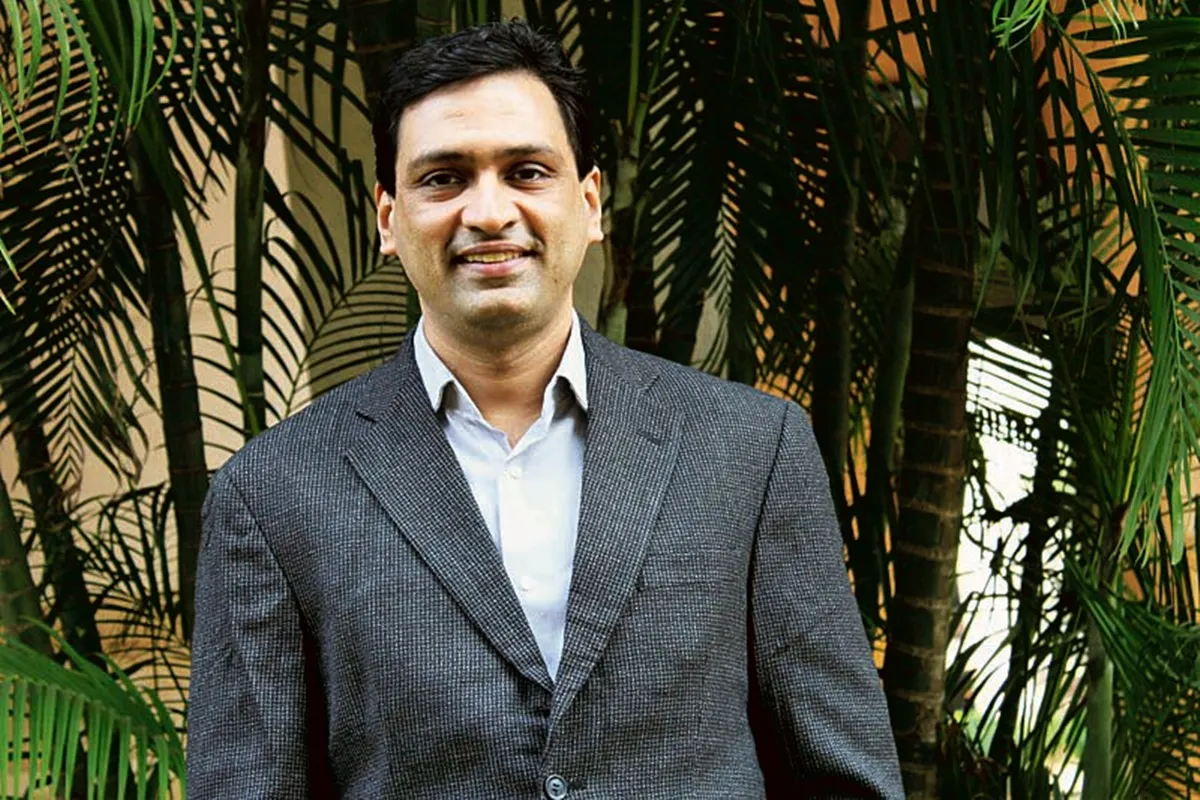
An early supporter of direct-to-consumer companies like Mamaearth and boAt, Fireside Ventures is currently looking for opportunities in the tourism and sustainability industries. Co-founder and partner VS Kannan Sitaram discusses its fundraising intentions, the slowdown in consumer company initial public offerings, and other topics with Narayanan V in this interview. Excerpts:

I think the more relevant question is whether consumer startups — be it food delivery or fancy ice cream startups — have created any value? The answer is clearly yes. They have done it not at the expense of startups in other sectors. Their growth is driven by rising consumption. As people earn more, they want to consume more — and consumer startups are simply enabling that. These companies have also created tens of thousands of jobs, be it delivery agents, warehouse managers, and logistics and supply chain executives. These roles wouldn’t exist at this scale otherwise. Plus, they generate significant tax revenue in the forms of GST and income tax. I don’t think backing consumer startups and supporting deep tech are mutually exclusive. The better question is: why don’t we see more deep tech startups? Is it that they’re not being created, or are they being built but not noticed? That’s something that I don’t have an answer for.

There are plenty of investors who back both deep tech and consumer startups — and there’s enough capital available for both. That said, at Fireside, we won’t be investing in deep tech. Our mandate is clear: we raise capital from our limited partners (LPs) specifically to invest in consumer businesses. Our focus will firmly remain on digitally-oriented, capital-efficient consumer companies. Within that space, we’re actively exploring different sectors and opportunities.

What are the sectors you’re focusing on?

We have invested in consumer startups across a variety of industries, including food and beverage, platform enablers, and beauty and personal care. We are particularly interested in health and wellness. Health and wellbeing are becoming increasingly important, particularly among Gen Z and millennials. The increasing need for supplements is one obvious early trend in this area.

By investing in businesses like Fitterfly, Amaha Health, Kapiva, Traya, and Gynoveda, we have increased the size of our portfolio. Additionally, we have invested in consumer-facing go-to-market facilitators. For example, Smytten is assisting businesses in promoting sampling-led discovery, Rozana is developing a rural distribution network, and Ripplr concentrates on sales and distribution.

Any new themes in focus?

Sustainability is a big theme we believe will gain significant traction in India over the next few years. Younger consumers are already leaning toward brands with sustainability claims — and like in the West, we expect they’ll eventually be willing to pay a premium for them. Concepts like “beauty without cruelty” are picking up, and the sentiment is clearly growing.

Travel is another space we’re tracking. Flights are full, resorts are packed, and international travel is booming. It’s a strong trend, and we’re thinking about what kinds of businesses could emerge from this surge in demand. These are early signs, but both sustainability and travel could become focus areas for future investments.

Are you looking at fundraising?

Not at the moment. So far, we’ve raised three funds — $50 million, $118 million, and $225 million — with a current portfolio of 53 brands. We’re currently deploying capital from our third fund and expect to do another 8-9 deals from it. Only after completing the portfolio construction for Fund III, will we be allowed to raise Fund IV. We expect to complete Fund III deployment over the next year. Only after that will we start thinking about the next fund. Also, we don’t believe in writing first cheques from two funds at the same time—it creates a potential conflict of interest.

IPOs in the consumer startup space have dried up. Will the slowdown continue?

An abundance of initial public offerings (IPOs) is anticipated. I have heard that the combined valuation of consumer-focused businesses that are anticipated to go public this fiscal year is approximately $34 billion; this is not the amount being raised. That is a big figure. Naturally, the mood of the market will determine the timing. For example, nobody wants to be taken by surprise by world events like the Trump disruption. However, a lot of businesses are actively getting ready by submitting draft documents, working with bankers, and laying the foundation required to be ready for an IPO. I think the IPO pipeline will open up after markets stabilize and volatility somewhat subsides.

Are foreign LPs reluctant to invest amid tariff uncertainties?

At least on the consumer side, I can say that investors are looking at India’s long-term consumption story — and that’s not going to be impacted by what’s happening in the US right now. LPs see that India’s consumption fundamentals are intact.

Leave a Reply

Your email address will not be published.